
GENERIC GENERATOR INSTALLATION MANUAL Section 4
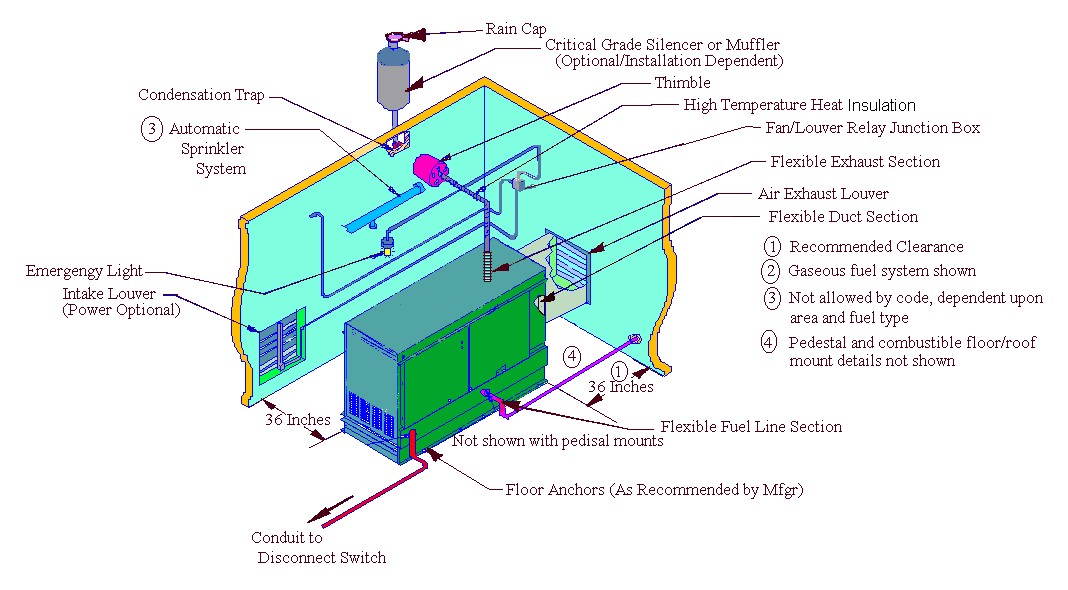
Ventilation. Generator sets require combustion and cooling air to enter the generator room or enclosure, and requirements are included in NFPA 110, Chapter 7.7.7. Most of the air is for cooling a unit-mounted radiator.
How not to select the wrong generator set (genset) for your application
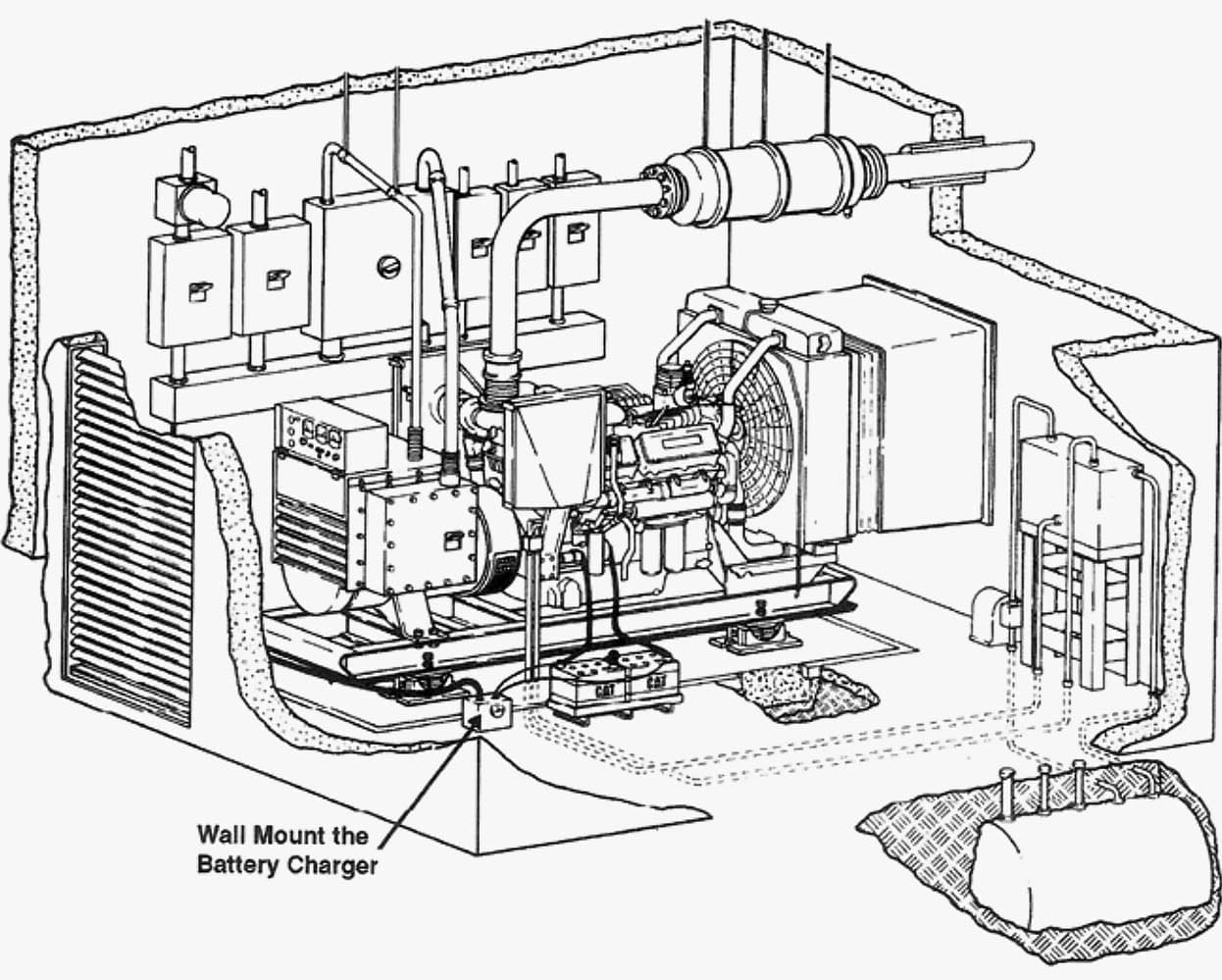
Generators can have different ratings indicating overall operating capacity shown below: Standby - 60 to 70% of the rating for 24-hour periods up to 500 hours per year operating time. Emergency Standby - 60 to 70% of the rating for 24-hour periods up to 200 hours per year operating time. Prime - 60 to 70% of the rating for extended periods with.
Generator Room Layout

Installations over 600 volts require even wider aisle space, from 3 feet (1,) to as much as 12 feet (4m) for voltages above 75kV. Service rooms with 1,200 amps or more require two exits in case of fire or arcing. Because transformers vary, make sure minimum wall clearances are met as specified by the manufacturer.
Understanding Air Quality Requirements for Emergency Generators

Tom Divine: NFPA 110, 2022 Edition, 7.3.1 requires battery-powered emergency lighting is for Level 1 or Level 2 EPS equipment locations, other than units housed in enclosures without walk-in access. Walk-in access appears to refer to enclosures that provide room for personnel between the generator and the inside wall of the enclosure.
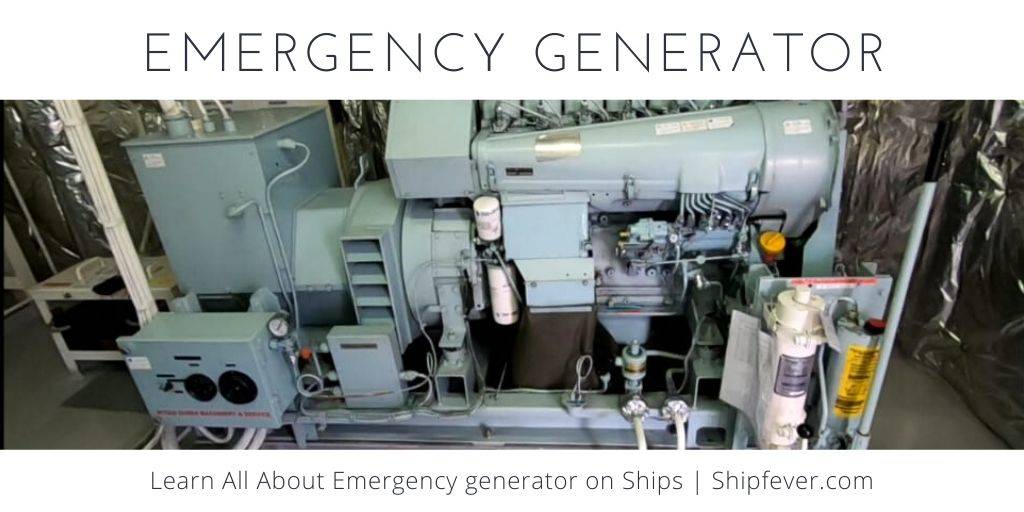
All About Emergency Generator on Ships ShipFever
The location of the generator room is crucial for its functionality and safety. It should be situated in an easily accessible area, preferably close to the main electrical panel and fuel storage. The room should be well-ventilated to prevent heat buildup and allow for proper airflow. Additionally, it should be away from areas prone to flooding.
Generator Room Ventilation Requirements Central States Diesel Generators
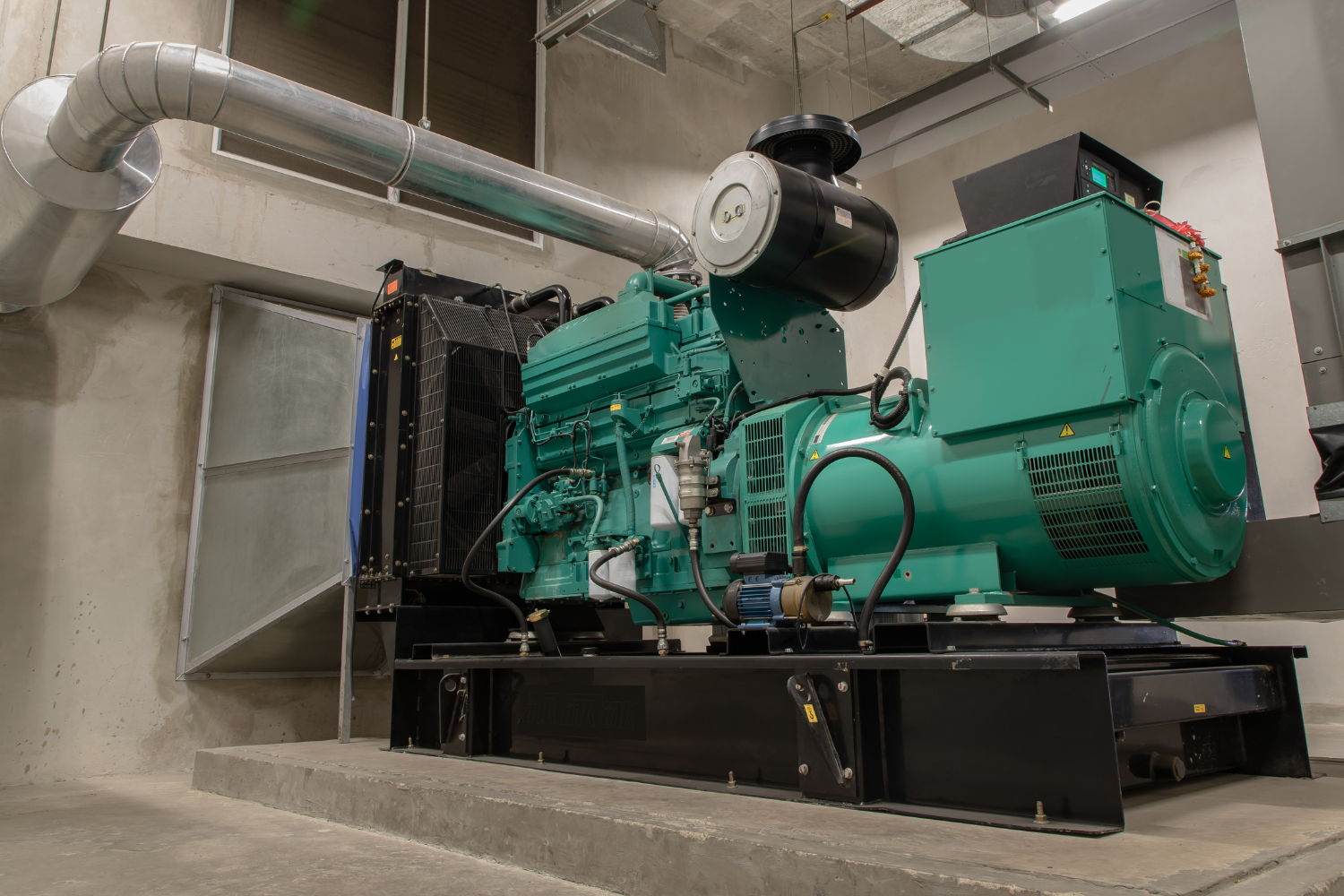
The space requirements for emergency generator sets are not at the top of an architect's list for the building design. Since large power generators, in particular, take up more space, problems do occur when providing. For rooms where ventilation is constrained, a ventilation flow analysis should be performed to analyse that ventilation can.
How to Install Fire Control Emergency Light in Generator Room
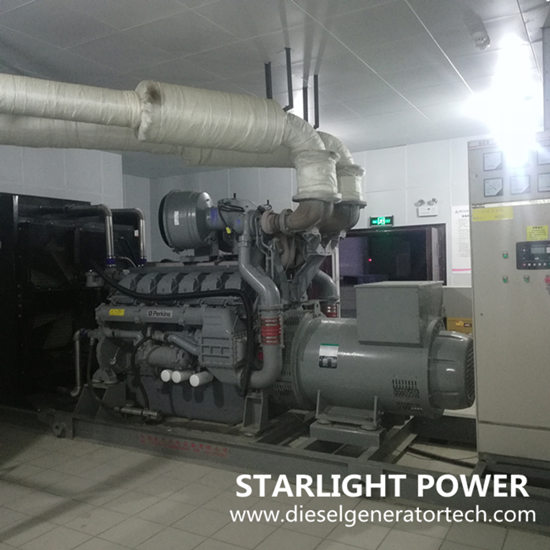
There are many factors to consider when contemplating emergency generator room design; environmental factors are an example of important items to consider. give us a call 610-658-3242. Services.. make sure the generator room is elevated. Ventilation: Requirements maintain that air must be allowed into a generator room to allow for cooling.
Generator Room Ventilation TCF Azen
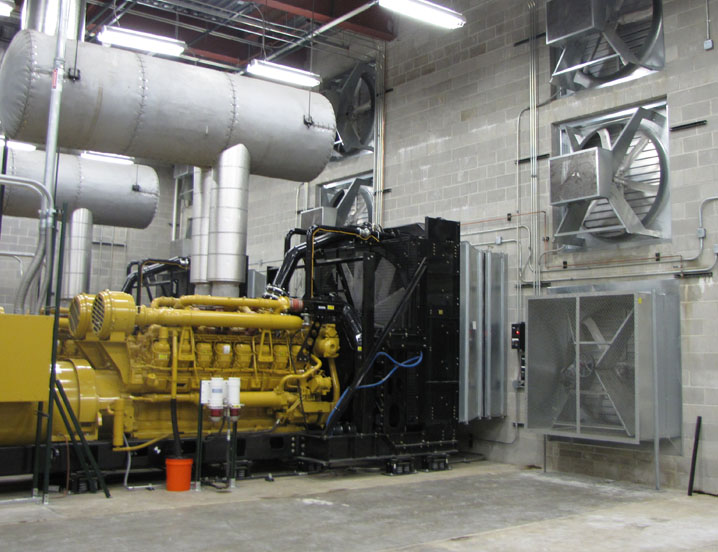
For example, if the engine room temperature is 24°C (75°F) without the engine running, the ventilation system should maintain the room temperature between 32.5°C (90°F) and 36.5°C (97.5°F) while the engine is in operation. Caterpillar recommends a ventilation design that ensures engine room temperature does not exceed 49°C (120°F).
(PDF) Generator Room Ventilation DOKUMEN.TIPS

EMERGENCY POWER SYSTEM Power outages can mean more than lights out. For many facilities, an outage of even a minute can result in the loss of millions of dollars — or worse, put human lives at risk. National Fire Protection Association standard 110 — the standard for emergency and standby power systems — outlines requirements for the
Emergency Generator safety sign (EGE001) Safety Sign Online

Generator-room temperatures in excess of 104 F typically require de-rating of the generator set and potential upsizing of components to support the design electrical load. The magnitude of de-rating varies with manufacturers, generator set capacity, engine fuel type, and more. Typical de-rating of 10% to 15% per 18 F rise over 104 F can be.
Summer maintenance tips for emergency generators BIC Magazine

EMERGENCY GENERATOR REQUIREMENTS . A. Location Requirements 1. Section 7.2.3 of NFPA-110 states that rooms, shelters, or separate buildings. Section 7.11.1 of NFPA-110 states that the room in which the emergency. air ventilation inlets, or the engine air-intake system. 6. Section 4.1.3.1 of NFPA-37 states that engines and their weatherproof
Generator Room Emergency power supply. Powered by Diesel power
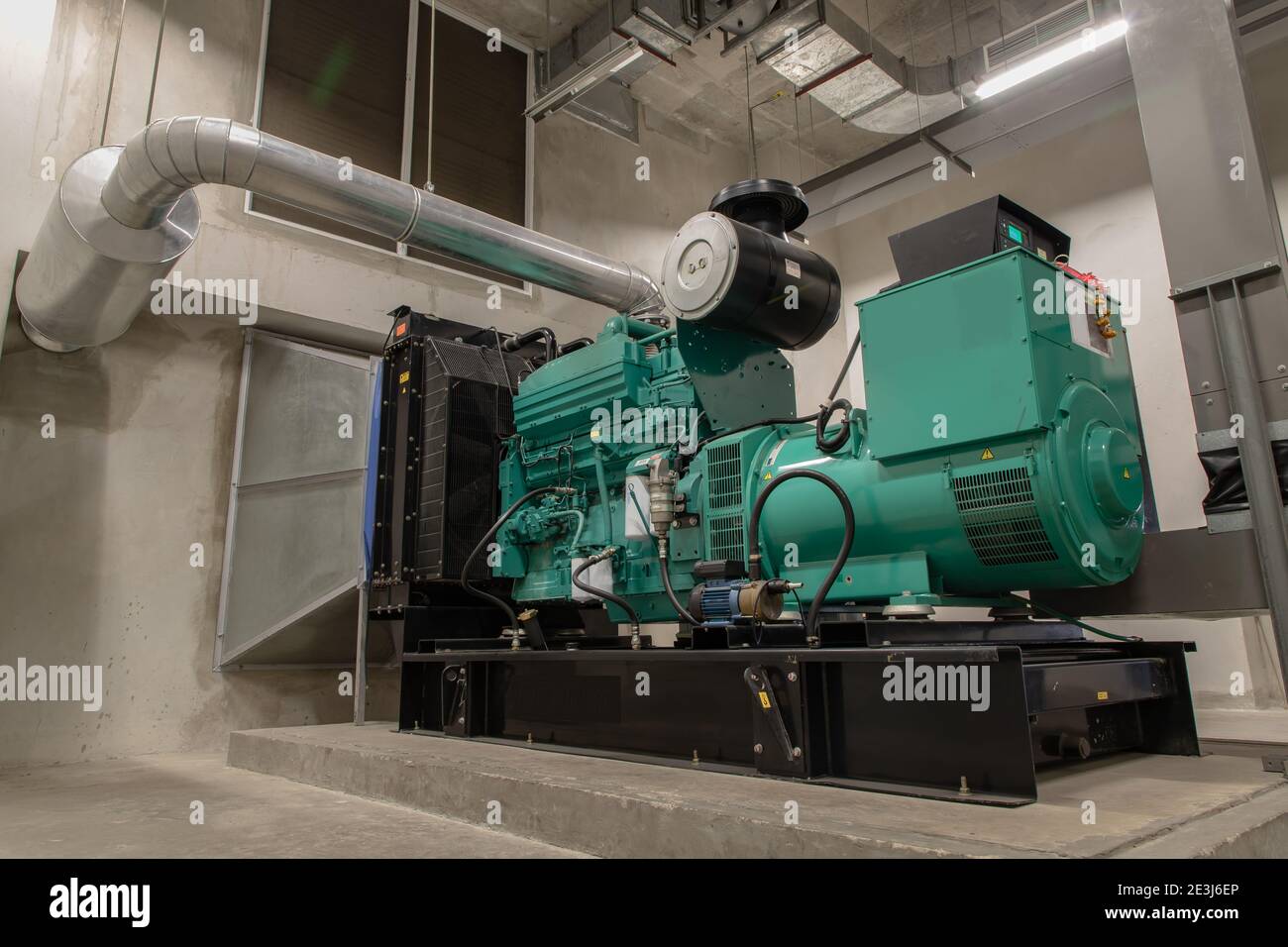
Proper ventilation and airflow is vital to meeting all generator room design requirements. Keep your employees and your equipment safe by ensuring that there is adequate airflow to support the engine combustion process and reject the heat that is produced during normal operations. To keep your power source in excellent working condition, your.
Ways of starting and testing emergency generator
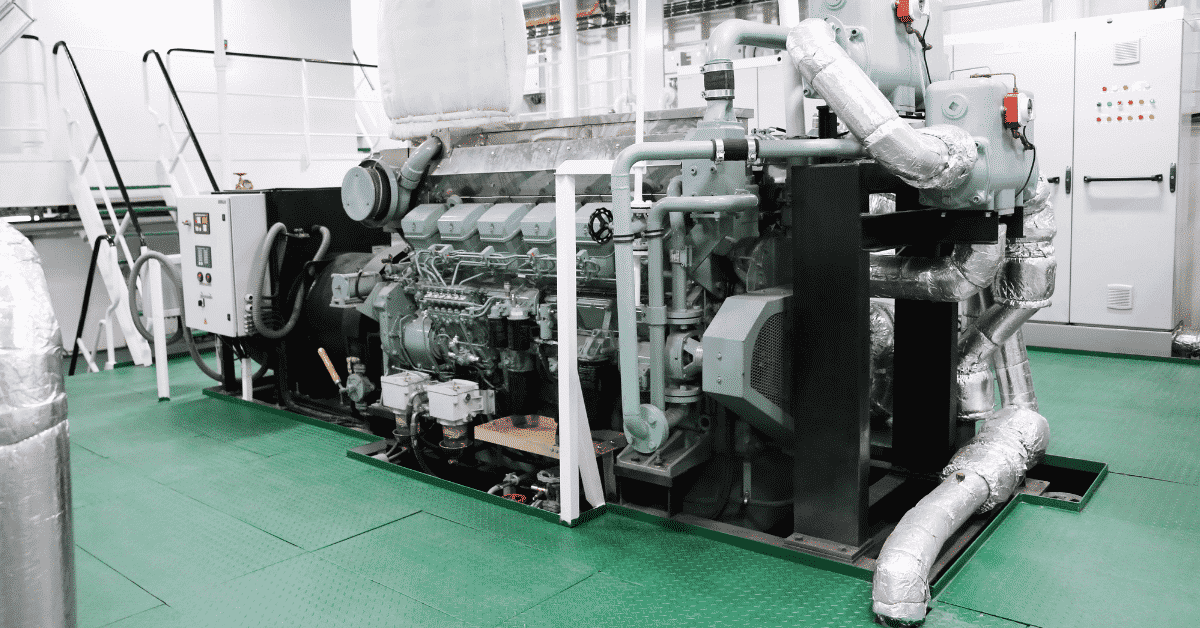
Generator Room Ventilation. Generator rooms require a wide range of fans to optimize the performance of generators and other equipment. Exhaust fans are used to prevent heat buildup within the generator room, while supply fans are used to provide fresh air for combustion and efficient generator performance. Room size, space limitations and.
Hospital Backup Power Plan Understanding NFPA 110 Chapter 7
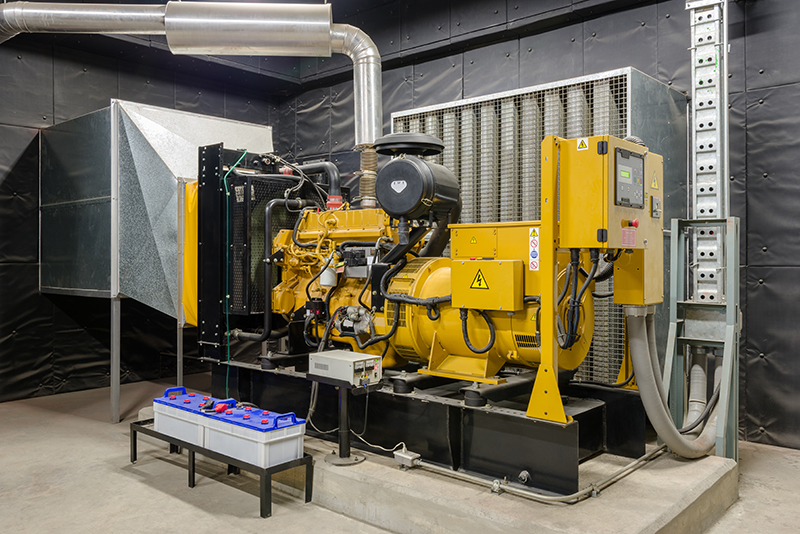
The egress lighting system can be provided with 90-minute battery backup or supplied from an emergency generator system. For example, power packs are listed for normal and UL 924 operation. Misapplying and/or missing the listing and testing requirements can be a considerable complication resulting in cascading implications.
Generator room Ventilation Calculation and Louver sizing using

The Importance of Generator Room Ventilation. By making sure your generator room is properly ventilated, you can keep things running smoothly and prevent dangerous accidents. Ventilation helps to control the following aspects of a generator room: Temperature of Generator Room: Regulating temperatures of generator rooms is important since.
Step by Step Basic Generator Information
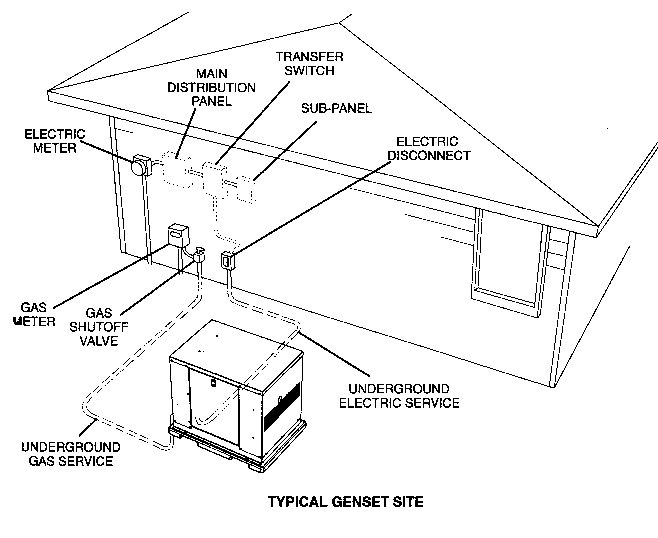
Here are the key points necessary to be considered: Generator size and capacity: The design of adequate ventilation varies depending on the size and capacity of generators. The requirements will increase to manage the heat dissipation of large generators. Room size and layout: The room configurations effectively decide the ventilation.
.